
Modern Meets Memory – Styling Vintage in a Contemporary Home
Introduction
There’s something special about vintage décor — the kind of beauty that feels lived-in, storied, and soulful. But vintage doesn’t have to mean dated. In fact, one of 2025’s most loved design trends is the blend of modern simplicity with vintage charm.
At GRSA Products, we prioritize sourcing from U.S.-based makers, designers, and craftspeople who specialize in both contemporary designs and vintage restoration. While our focus is on American-made products, we occasionally carry select vintage pieces from U.S. businesses that ethically source from international markets. We love curating pieces that honor the past while embracing the present. Here’s how to style vintage (or vintage-inspired) finds in a way that feels fresh, balanced, and uniquely yours.
What Makes Vintage-Modern Fusion Work?
The vintage-modern aesthetic combines the character and craftsmanship of older pieces with the clean lines and functionality of contemporary design. This approach creates spaces that feel:
- Collected rather than decorated – evolving over time, not created overnight
- Personal and unique – avoiding the “catalog look” of all-new furnishings
- Sustainable – giving new life to existing pieces reduces waste
- Layered with history – incorporating items with stories and patina
- Balanced between comfort and style – mixing the best elements of different eras
When done thoughtfully, this fusion creates interiors that feel both timeless and current—spaces that won’t quickly look dated as trends change.
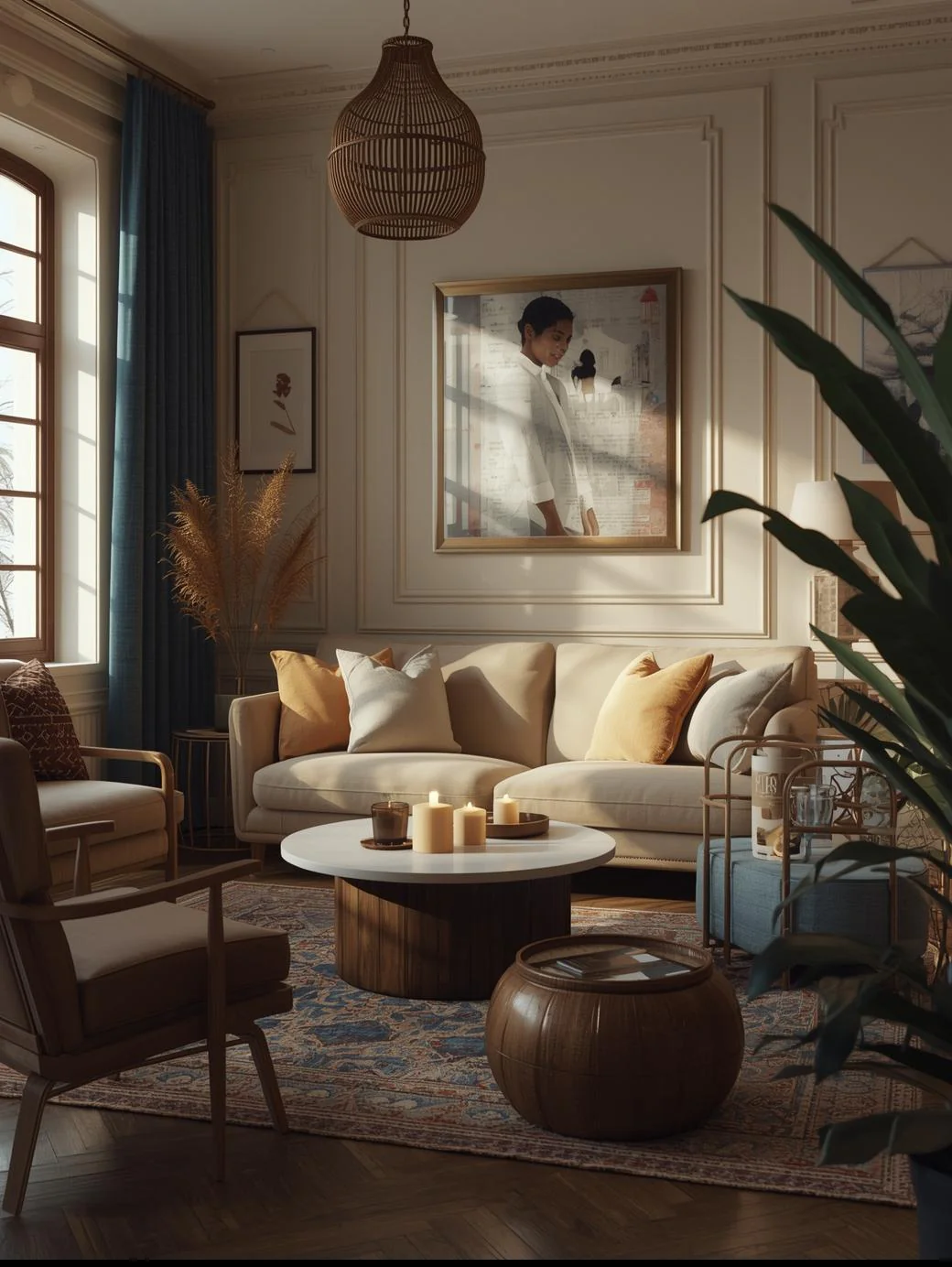
Start with One Statement Piece
It could be a refurbished accent chair, an antique mirror, or a retro lamp — let one vintage item lead the room. Build around it with clean lines and neutral backdrops to avoid overwhelming the space.
Great vintage statement pieces include:
- A mid-century credenza in a minimalist dining room
- An ornate antique mirror above a simple modern console
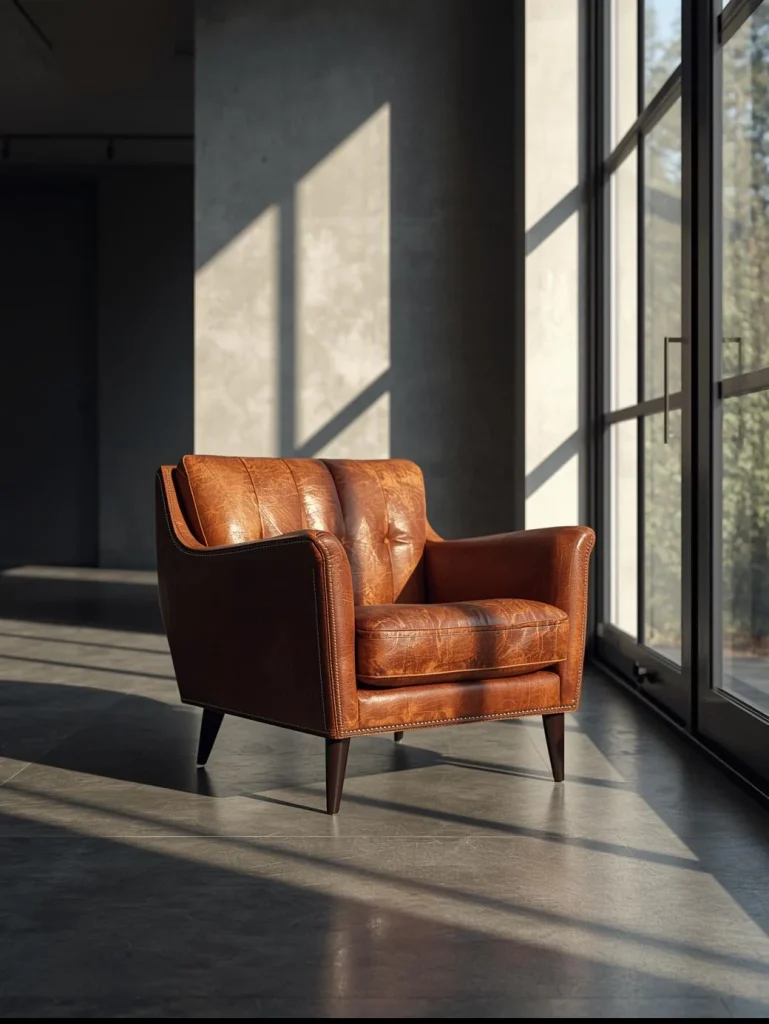
- A restored vintage leather chair in a contemporary living room
- An heirloom quilt displayed as wall art in a neutral bedroom
- A salvaged industrial light fixture over a sleek dining table
Pro tip: Place your vintage statement piece where it will naturally draw the eye—opposite the entrance to a room, at the end of a sight line, or in a conversational grouping. This gives it prominence without requiring you to build an entire vintage-themed room.
Mix Materials for Contrast
Combine warm wood and timeworn finishes with smooth metals or minimalist ceramics. This creates visual interest and balances old and new without clashing.
Successful material pairings:
- Weathered wood + polished marble
- Tarnished brass + matte black metal
- Aged leather + crisp linen
- Ornate gilt frames + simple white walls
- Vintage textiles + sleek lucite or glass
- Vintage leather + concrete floors
The key is to create a dialog between textures and finishes. Each material should complement the others rather than competing for attention. This intentional contrast makes both the vintage and modern elements shine more brightly.
Keep the Palette Cohesive
Vintage doesn’t have to be colorful or cluttered. Stick with earthy tones, muted hues, and natural textures. This ensures harmony between the older elements and the contemporary ones.
Cohesive palette strategies:
- Use vintage pieces in similar color families to create a curated look
- Let neutrals dominate the larger elements, with vintage pieces adding subtle color
- Pull accent colors from your vintage pieces for modern accessories
- Consider monochromatic schemes that unite items from different eras
- Use white space strategically to let vintage details breathe
When your color palette is consistent, you can mix periods and styles with much more freedom. The cohesive color story helps the eye make sense of diverse elements.
Let the Story Shine
When you bring vintage into your space, you’re bringing in a story. Share it! Frame a photo of where the piece came from. Leave room for its quirks to be celebrated, not hidden.
Ways to highlight vintage stories:
- Create a small vignette around a piece that showcases its history
- Display the original maker’s mark or label
- Keep a journal about your vintage finds to share with guests
- Preserve signs of age and use that add character
- Pair with contemporary items that complement rather than overshadow
Authenticity is what makes vintage special. While some restoration may be necessary, preserving the elements that tell a piece’s story—patina, wear patterns, craftsmanship details—keeps its soul intact.
Don’t Be Afraid to Reimagine
Refinishing, reupholstering, or creatively repurposing a vintage piece can give it new life. At GRSA, we love working with artisans who restore pieces with modern flair while preserving their soul.
Thoughtful update approaches:
- Reupholster a vintage chair in an unexpected contemporary fabric
- Refinish dark wood in a lighter tone while preserving patina
- Convert vintage items for new uses (sewing cabinets as bar carts, etc.)
- Update hardware while keeping original construction
- Add modern lighting components to vintage lamp bases
Remember that not every vintage piece is a precious antique—many items from the mid-20th century were mass-produced and can be reimagined without guilt. Focus your preservation efforts on truly rare or significant pieces.
Creating Balance in Different Rooms
Different spaces in your home may call for different approaches to the vintage-modern blend:
Living Room: Focus on comfort and conversation with a vintage sofa updated with new upholstery, paired with streamlined modern side tables and lighting.
Kitchen: Incorporate vintage serving pieces, artwork, or a restored hutch while keeping major appliances and cabinetry clean and contemporary.
Bedroom: Layer vintage textiles like quilts or tapestries with simple modern bedding. A vintage dresser can anchor the room while modern lighting keeps the space feeling fresh.
Home Office: A restored vintage desk paired with a contemporary ergonomic chair offers both character and functionality.
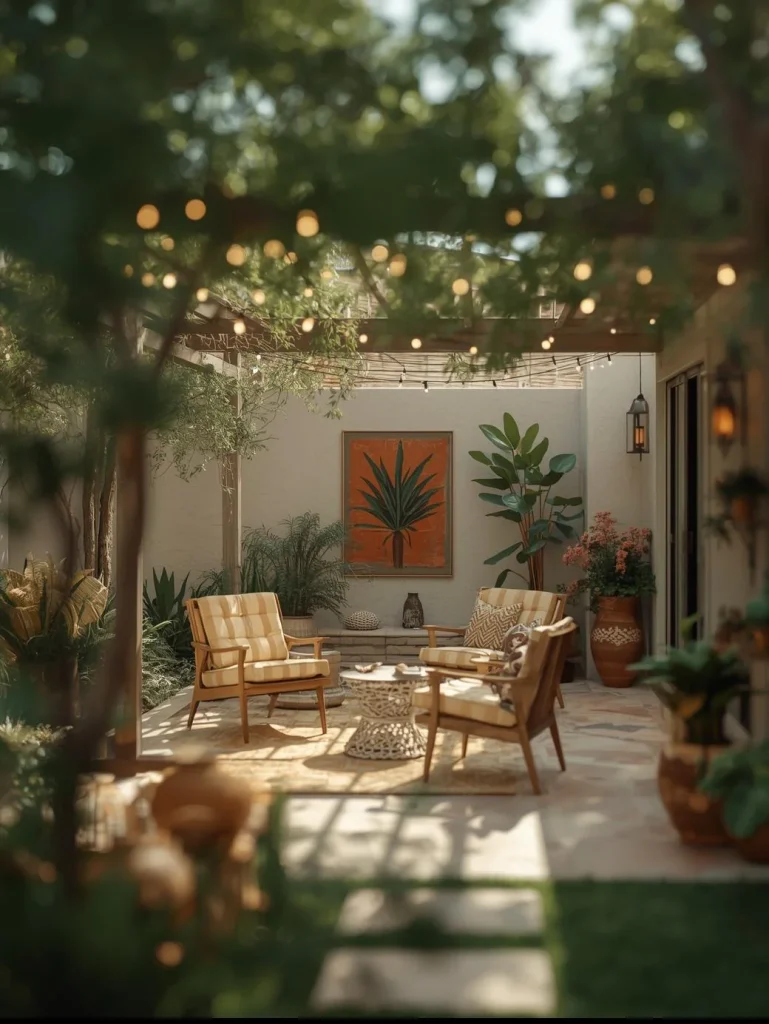
Patio:
The key is finding the right proportion of vintage to modern for each space’s function and feel.
Conclusion
At GRSA Products, we’re committed to helping you create spaces that reflect both timeless quality and contemporary living. While our priority remains supporting American craftsmanship and curation, we understand that beautiful vintage pieces sometimes come with international histories. Blending vintage with modern isn’t about rules — it’s about resonance. It’s about creating spaces that reflect where you’ve been, where you are, and where you’re going.
Explore our Modern Vintage Collection → and discover one-of-a-kind treasures that tell your story.
Your Questions Answered
Q: How do I prevent my space from looking like a random thrift store when mixing vintage pieces?
A: Curation is key. Be selective with your vintage finds, ensuring they share some common element—similar woods, complementary shapes, or a cohesive color story. Limit the number of statement pieces per room and give important items breathing space rather than crowding them together.
Q: Are there certain vintage styles that blend better with contemporary interiors?
A: Mid-century modern pieces often integrate seamlessly with contemporary design due to their clean lines and functional focus. However, with the right context and thoughtful placement, almost any vintage style can work. Even ornate Victorian pieces can create compelling contrast in minimalist spaces when used sparingly.
Q: How do I know if a vintage piece is worth restoring or if I should just buy new?
A: Assess both quality and sentiment. Look for solid construction, quality materials, and craftsmanship that would be expensive to replicate today. Consider whether the piece has personal meaning or historical value. If it’s poorly made, structurally compromised, or requires specialized restoration beyond your budget, a quality new piece might be a better investment.
Q: I love vintage, but my partner prefers ultra-modern. How do we compromise?
A: Start with vintage pieces that have cleaner lines (like mid-century) rather than ornate styles. Focus on incorporating vintage through accessories or single statement pieces rather than major furniture. Use contemporary colors and arrangements to keep the overall feel current while incorporating character pieces that tell a story.